Throughout the year we will be sharing information on our campaign focus areas. Those topics we feel strongly about and are fighting for on behalf of our members.
This month we are discussing protecting the state pension.
State pension age
There is a wide variance in average income for those with occupational pensions and even in public sector defined benefit schemes, average pensions in payment are much lower than many believe.
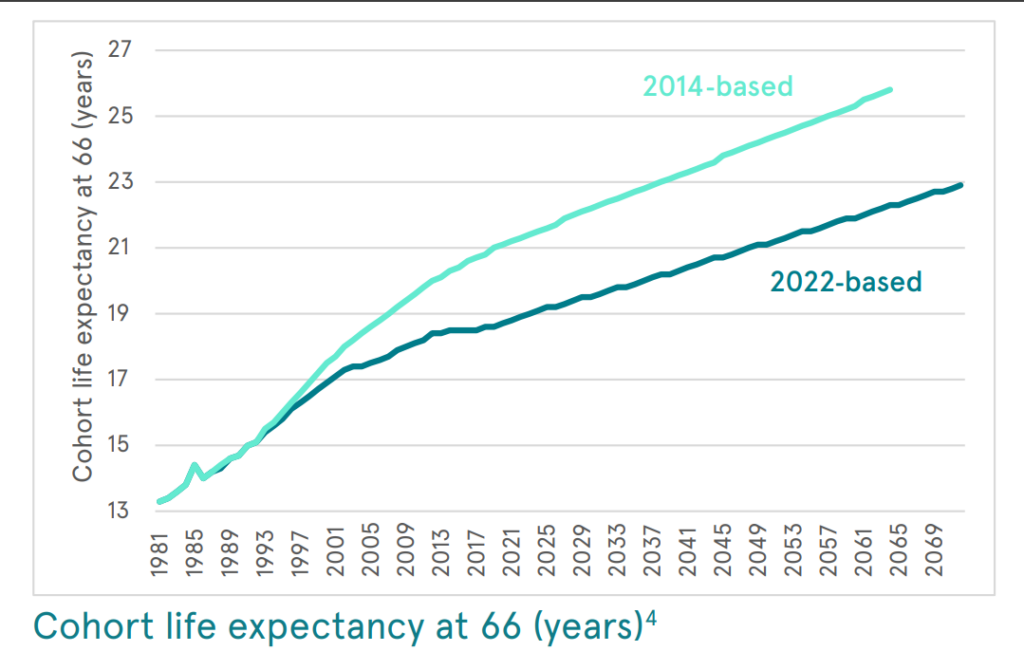
While life expectancy has increased, healthy life expectancy has not kept pace. Many older adults spend significant years in poor health. State Pension age (SPA) criteria should consider healthy lifespan, not just morbidity data, to address the challenge of people being too old to work but too young to retire with adequate support.
The IFS warns that raising the SPA would disproportionately impact those with lower life expectancy and those on lower incomes – many of whom do not receive the full State Pension or any pension at all.
This highlights the growing inequality and financial insecurity faced by older adults who are too old to work but lack adequate pension support.
What is the current state pension age?
The current UK State Pension age is 66 for everyone, but it’s rising; it will increase to 67 between 2026 and 2028, and then to 68 between 2044 and 2046, with potential for earlier increases following future reviews, but the government must give 10 years’ notice for changes.
We propose: The protection of the triple lock extends beyond 2029, ensuring pensions rise in line with living costs and wages.
To defer further SPA rises until inequalities in life expectancy narrow and a new settlement is agreed.
What we're calling for:
This Budget presents our plan for a fairer, more sustainable deal for older people. we urge you to stand with us and add your voice to our calls for a fair deal for living well in later life.